What a hole in the ground will tell you
Before a bed is shaped here we are digging pits across the holding and writing down what is in them. This is how to read one, and the baseline we will be judged against.
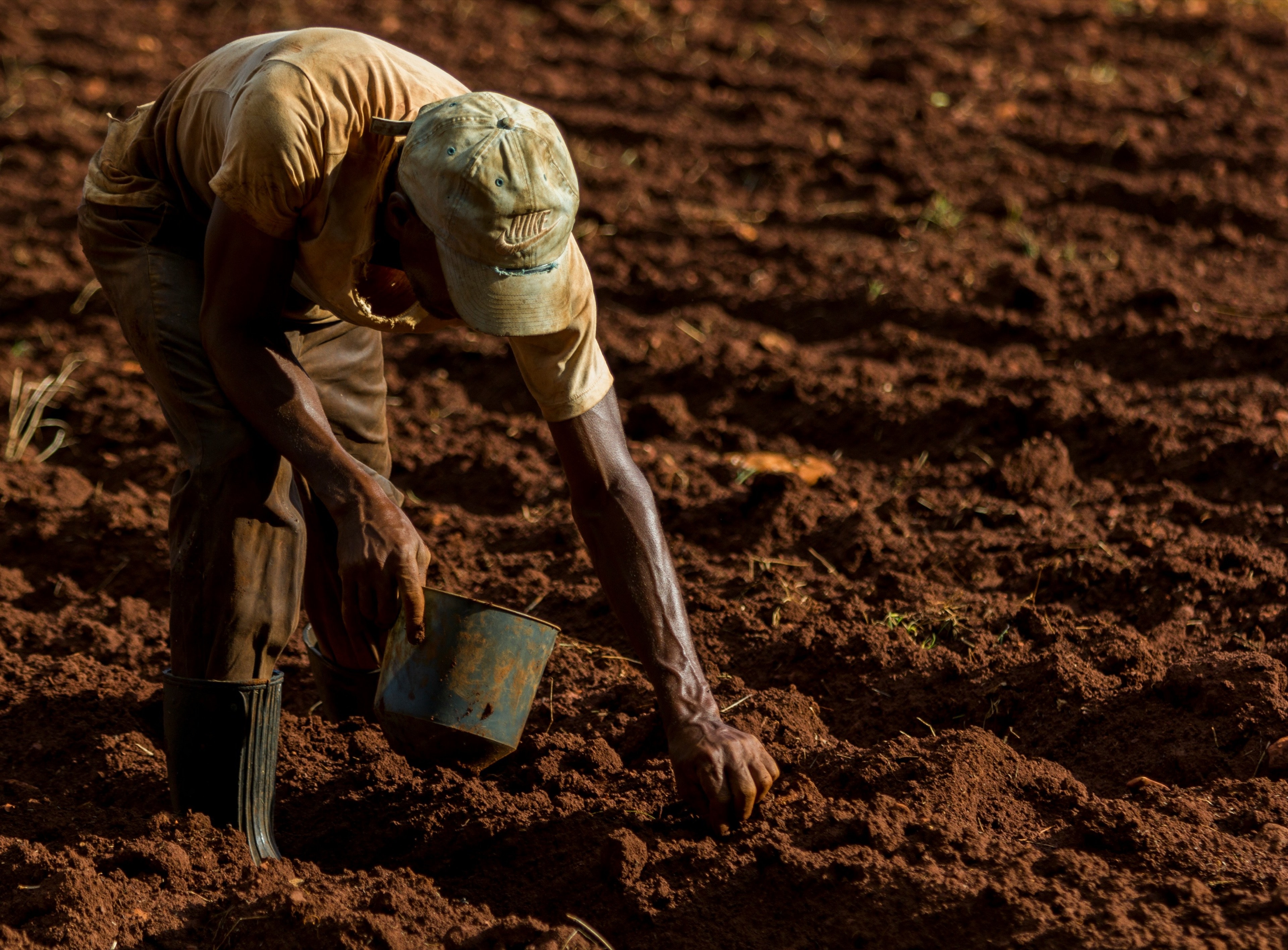
Before a bed is shaped here, we are digging pits across the holding and writing down what is in them. Not because a laboratory cannot tell us more — it can, and the numbers matter when you are deciding what to buy — but because the pit is free, it answers the questions that change what you do on Monday, and it gives us a baseline to measure the next ten years against.
This is the method we are using, set down before the first spade goes in so that it can be held against what we find.
Dig where it is worst
The instinct is to dig where the crop looks good. Resist it. The useful pit is in the patch that always disappoints: the corner that puddles, the strip where the maize is short, the headland the tractor turns on. A profile from your best ground tells you what success looks like. A profile from your worst tells you what is stopping it, which is the more actionable of the two.
Go down about sixty centimetres if you can. A spade reaches thirty, and thirty is enough to see the topsoil and the top of whatever is underneath — but the thing that most often limits a crop sits between thirty and sixty.
What you are looking at
Cut one face clean with a knife rather than a spade, so you are reading soil and not smear. Then look for where it changes: colour, texture, how it breaks in your hand.
- Litter. Whatever is lying on top. If you can see bare soil, that is the first thing to fix and it is cheaper than anything else on this list.
- Topsoil. Dark, crumbly, smells of rain after you break it. This is the layer you are farming, and its depth is the single most useful number you will take away.
- Subsoil. Denser, paler, often redder here. Roots will go into it if it lets them.
- Parent material. Weathering rock. Nothing you can change on any timescale that matters to a season.
The two things worth measuring
Depth of topsoil, and depth of roots. Write both down with the date and the spot, and dig the same hole again in two years.
Everything else — the tests, the amendments, the cover crop mixes — is a means to move those two numbers. If they are not moving, the method is not working, whatever else is true.
What stops roots
Most often it is a pan: a compacted layer, usually flat-bottomed and abrupt, sitting where a wheel or a hoof has repeatedly pressed wet ground. You can feel it as resistance with a knife and see it as roots turning sideways rather than carrying on down.
A pan is not permanent. Roots break it faster than machinery does, which is most of the argument for deep-rooting cover crops and for keeping stock off wet ground. But you cannot fix what you have not found, and you will not find it from the surface.
Then put it back
Fill the pit in the order you took it out, topsoil last. It sounds fussy. It is the whole method in miniature: the layers are not interchangeable, and the one on top took the longest to make.